An Old Kitchen Tradition, Revisited
The Old-Fashioned Kitchen Story Behind Biblical drink (oil)/ Honey blend
Long before apps and charts, home cooks kept simple habits at the table. This page looks at the tradition of Biblical drink (oil)/ Honey blend and how everyday meal habits fit into a normal day — for education only, alongside the care of your own doctor.
A Day That Feels Familiar
Before anything else, here is the part nobody talks about: the small, repeating moments of an ordinary day around food.
The After-Lunch Slump
One o'clock hits and suddenly the whole afternoon feels heavier. It is a familiar rhythm for a lot of people who pay attention to meals, including many who first heard about old habits like Biblical drink (oil)/ Honey blend from a grandparent's kitchen.
Mornings That Start Tired
Some mornings, coffee does not seem to be enough. The day starts slow, even after a full night in bed.
Too Much Conflicting Advice
One article says avoid this, another says it is fine. Meal planning starts to feel like homework instead of dinner.
The Weight of Every Decision
What to make, what to skip, what to swap. Deciding three meals a day, every day, adds up quietly.
Kitchen Myths, Plainly Sorted
A few ideas get repeated so often they start to sound like fact. Here is a simple, everyday look at three of them.
All carbohydrates are the enemy and should be cut out entirely.
Carbohydrates are just one part of a meal. How a plate is built and paced tends to matter as much as any single food group.
Fruit is basically sugar, so it is best avoided.
Whole fruit comes with fiber and water that behave differently than a candy bar. For many people, fruit stays a normal part of the table.
There is a special category called diabetic food, and it is the only safe choice.
Most traditional, home-cooked meals can still belong in an everyday routine. The label diabetic food is mostly a marketing idea, not a kitchen rule.
Three Old-Fashioned Meal Habits
Nothing complicated here. Just three habits that show up again and again in traditional home cooking.
Start With the Slower Foods
Many old family kitchens plated vegetables and protein first, saving bread or rice for later in the meal. It is a simple habit worth remembering.
Slow Down the Meal Itself
Put the fork down between bites. Meals used to take longer, and that unhurried pace was part of the tradition, not an accident.
Add a Little Movement Afterward
An after-dinner walk around the block used to be common. It is a quiet habit that still fits into a modern evening.
Where Biblical drink (oil)/ Honey blend Comes From
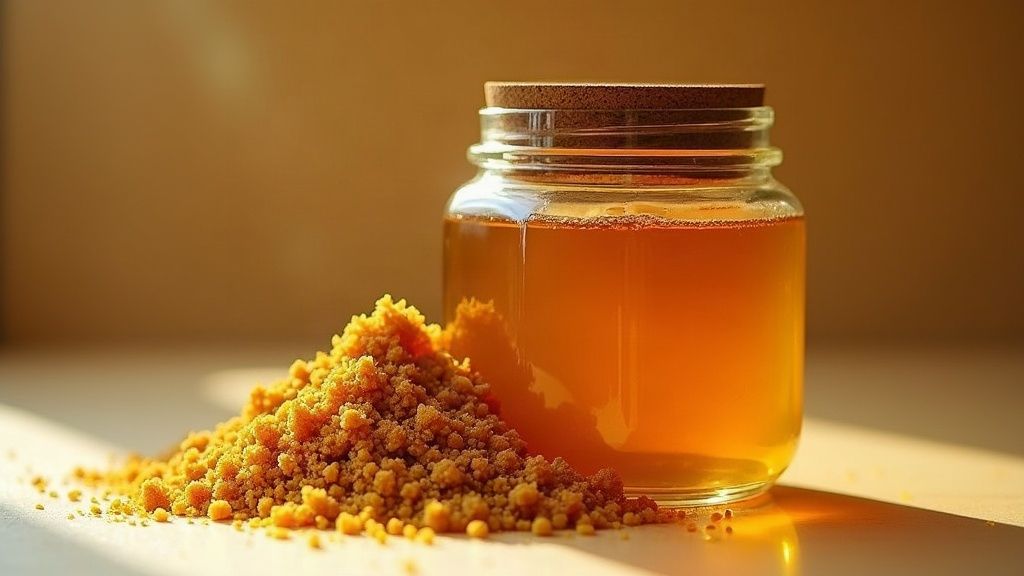
Old recipe books from Mediterranean and Middle Eastern households mention a simple pairing of oil and honey, sometimes stirred into warm water in the morning or drizzled over fresh bread at the table. Families passed the habit down the way they passed down bread recipes — by watching a parent or grandparent do it, not by reading a label. It shows up in stories and old texts as part of daily life and hospitality, offered to guests alongside olives, herbs, and flatbread. This page shares that history as a piece of culinary tradition, not as medical guidance — any change to your diet or care routine is worth discussing with the doctor who already knows your health history.
It is a cooking tradition first, passed from kitchen to kitchen, long before it became a topic online.
Everyday Signals Worth a Conversation
Energy Dips That Disrupt Your Day
If afternoon slumps are becoming a regular pattern, it is worth mentioning to the doctor who follows your health, rather than guessing at the cause on your own.
Hunger That Swings More Than Usual
Noticeable changes in appetite between meals are the kind of detail your healthcare provider can help make sense of.
Sleep That Feels Off Lately
Trouble sleeping that carries into your mornings is worth a mention at your next visit, not a topic to self-diagnose.
A Routine That No Longer Feels Steady
If your usual daily rhythm feels different lately, your doctor is the right person to talk it through with.
Questions About Meal Timing
Wondering how meal timing fits your day is a completely normal question — one best answered together with your own physician.
Anything New or Unusual
Any change you cannot quite explain deserves a conversation with the professional who already manages your care, not an online guess.
How Some People Reorganized Their Meals

These are individual accounts shared for illustration only. Experiences vary, and none of these stories represent a guarantee of any outcome. They do not describe medical results, lab values, or treatment changes of any kind.
Curious About the Full Kitchen Story?
See how a simple, old-fashioned habit fits into an everyday routine — as always, keep any diet or treatment questions with the doctor who already knows your health history, and do not change any prescribed care on your own.
Advertising Disclosure: This page contains sponsored content and affiliate links. We may receive compensation if you click a link or make a purchase through the links provided on this page. This helps support the content but does not affect the price you pay.
Content Disclaimer: This content is for educational purposes only and has not been evaluated by the Food and Drug Administration. It is not intended to diagnose, treat, cure, or prevent any disease. It is not medical advice and does not substitute for the guidance of a qualified healthcare professional. Always consult your doctor or another qualified healthcare provider before changing your diet, your daily routine, or any prescribed treatment.
Results Disclaimer: Individual results and experiences vary. Testimonials shared on this page reflect personal opinions and are not a guarantee of any specific outcome for anyone reading this content.
© 2026 · All Rights Reserved